
The tools, by the job they do
Four doors. Each opens on the thing you came for.
Every door needs your sign-in. The forms are licensed to members for their own use, and a transaction file is confidential, so nothing behind these doors is public.
Blank forms
The full forms library the office licenses, sorted by the kind of file each form belongs to — residential sale, commercial sale, leases, property management, the forms every file carries. Download one, a family, or all of it.
Files
Buyer or seller, residential or commercial. Open a file and the checklist is laid out, the folder is made and the commission is projected. Prepare forms fills the office block, the property and the people on any form and places every signature box.
Your page and your leads
Your photo, bio, specialties and languages on Meet the advisors, a consult scheduler that fills your calendar on your terms, and a message form. Both go to you, and the office records what came of them.
Guides
Five short PDFs that walk the console one piece at a time: your first week, opening a file, using forms, your public page, and Why Nest. Read one once and keep the checklist on its last page.
A broker that works for you
The office prints your cards, pays a quarter of the bill, and puts your face on its site.
Neighborhood postcards printed here and settled at closing, the open house sign-in sheet, your page and the one-tap consult, a short video for every listing, and broker review on every file. Each was built on how people decide whom to call, and the thinking is written down so you can use it on purpose.
The Advisor Promise
Advisor is a job description, not a title.
Six obligations, in the order they happen. Every one of them becomes a recorded step in the transaction file, which is how a piece of advice stays defensible years later.
Listen
Understand what the client is trying to accomplish before proposing how. The stated goal is often only part of the real goal.
Advise
Explain the opportunities and the risks, in writing, early in the process — including the possibility that the right answer costs us the commission.
Strategize
Develop an approach and explain why it is the right one: price, timing, and what to spend money and time on before buying or selling.
Negotiate
Secure the best price and terms while planning for inspections, contingencies and lender requirements.
Execute
Clear the hurdles between agreement and closing day: appraisal, municipal inspections, title, the mortgage commitment, the final walk-through.
Follow up
Stay involved after closing. The answer you never got, an interim tax bill, a notice from an HOA. This stage produces no commission, which is why it is so often forgotten.
The full statement of the role, and what the title requires in return, is on The role of an advisor.
Three roles
Experience is not one thing, so the title comes in three.
Developing Advisor
Newly licensed or newly serious. Works with structured supervision and review to build the skills that move you to the next role — every file reviewed before release, scheduled training beyond state CE, paired on early transactions, and a defined path out.
Advisor
Established, independent, running your own book of business inside the firm. Full autonomy over client work, with a broker review that protects the file rather than second-guessing your judgement.
Partner Advisor
An Advisor who also builds the firm: mentoring, training, recruiting, or running a practice area. Compensated for the business you bring and for the work of developing other advisors.
What the title requires in return
- Education past the minimumFourteen hours every two years is the floor for the profession, not a standard of excellence. Establish a practice area of real expertise — new construction, downsizing and aging in place, veterans and VA loans, staging, luxury, first-time buyers — and make it your brand.
- Written advice, not remembered adviceYour recommendations and your reasoning go into the file. It takes a little longer, and it makes the file defensible.
- Willingness to lose the dealIf the honest answer is “don’t buy this one,” an Advisor says so first and worries about the commission second.
- Full-time practicePart-time practice is legitimate and plenty of firms do it well. This is simply not one of them.
- Local knowledgeWe work where we can know the school districts, the flood plains, the zoning and which neighborhoods have quirks. Outside that, we refer to someone who can give the same level of service.
- Participation in the firmPolicy, training and the client experience are built by the people doing the front-line work. Questions, opinions and the occasional disagreement are how it gets better.
The place
2610 Walbert Avenue, Allentown.
Private offices, open desks, a board room for closings and client meetings, a kitchen, and parking. The systems on this page were built in this office by the broker who runs it.
The office and the tools, as they stand today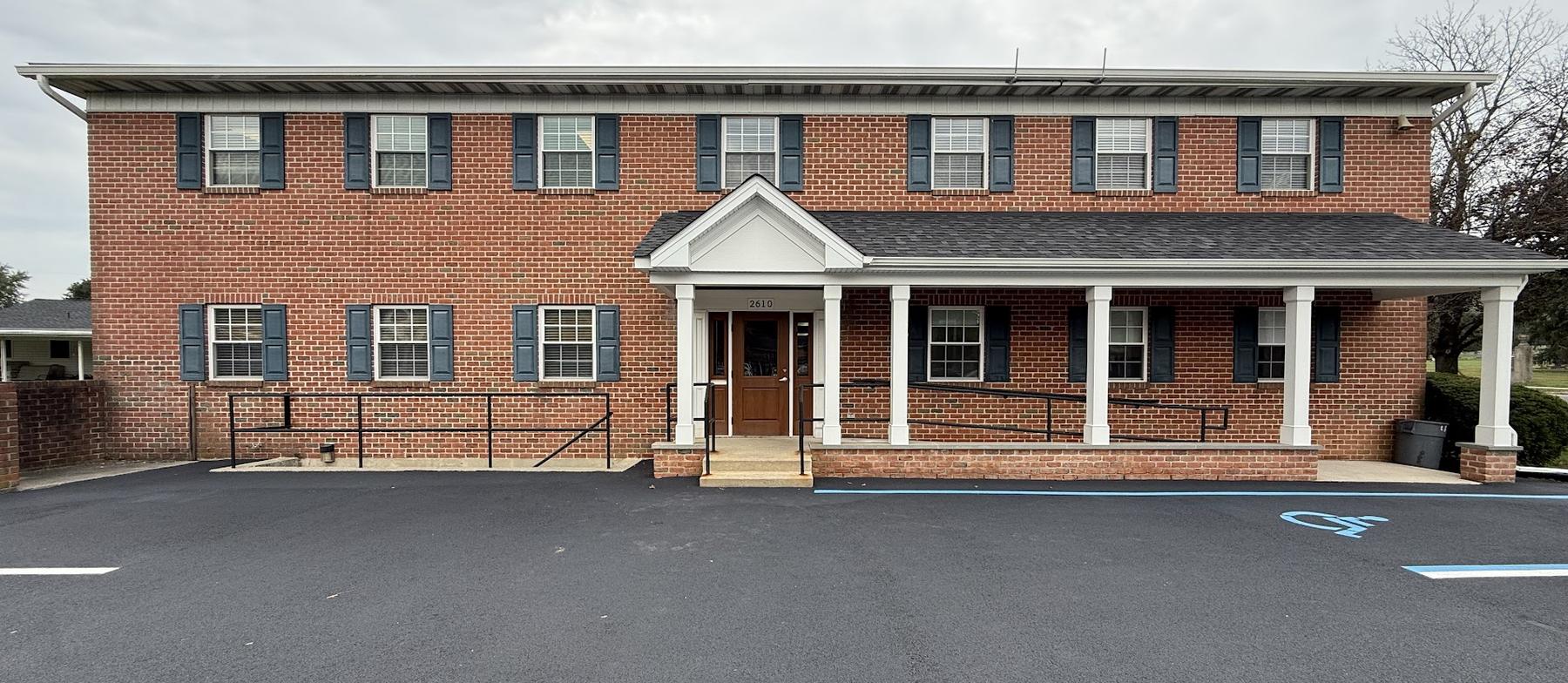
If this reads like the job you wanted when you started your career, take the next step.
We are building a small but mighty company that will attract good agents, good buyers and good sellers. The first people here will help write the rest of the story.